

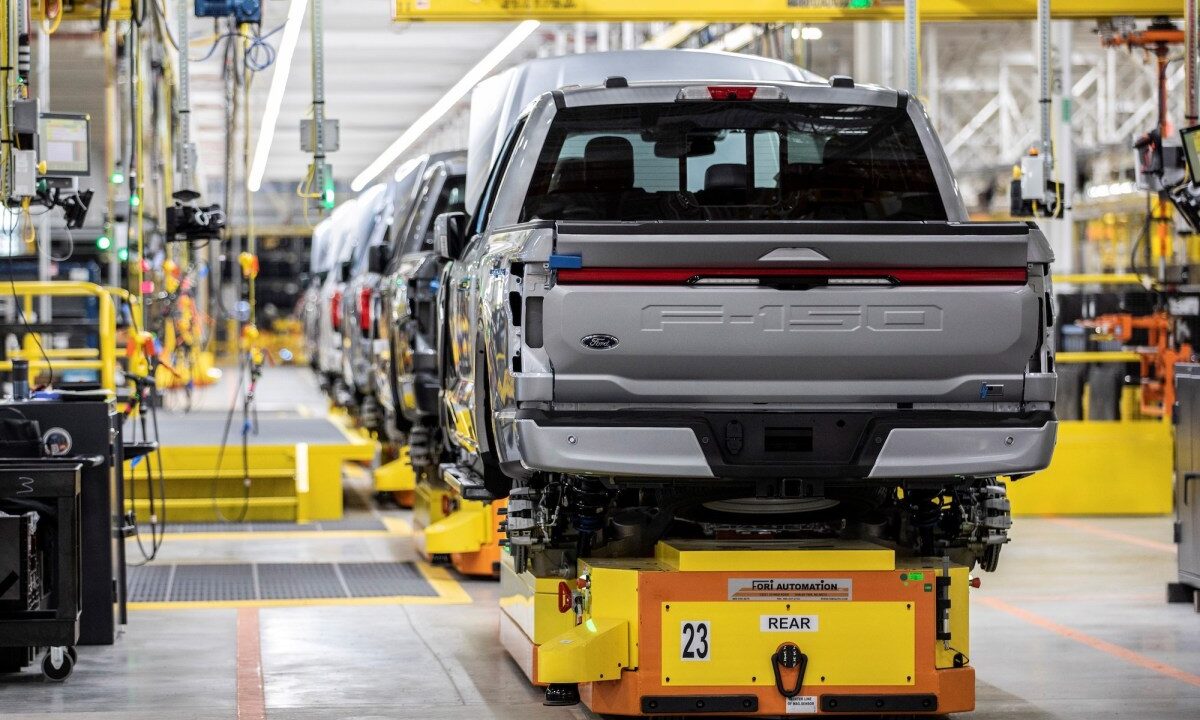
Ford Ends F-150 Lightning Production: What It Means for Your Next Truck
Ford is ending production of its all-electric F-150 Lightning, signaling a massive shift in the company’s EV strategy away from large electric trucks.
The automotive giant announced Monday it will stop building the fully-electric F-150 Lightning as part of a company-wide restructuring of its electric vehicle plans. In its place, Ford will pivot to selling an “extended range electric vehicle” version of the truck. This hybrid approach adds a gas generator that can recharge the battery pack, allowing the vehicle to travel over 700 miles—addressing the range anxiety that has plagued many potential EV buyers.
Ford confirmed to TechCrunch that this move also kills the next-generation “T3” all-electric truck, which was supposed to feature a clean-sheet design distinct from the Lightning’s gas-based architecture. The company is also abandoning plans for a next-generation commercial electric van, though the current E-Transit will continue production.
The financial implications are staggering. Ford will take a $19.5 billion hit to reshape its EV business strategy, including an $8.5 billion writedown of its EV assets in the fourth quarter and $5.5 billion in cash charges through 2027. The company cited a “eroded business case” for larger electric vehicles due to lower-than-expected demand, high costs, and shifting regulatory changes under the new Trump administration administration.
This strategic pivot reflects harsh market realities. Since its 2021 debut, the F-150 Lightning struggled to meet expectations. Ford initially teased a $40,000 base price, but that figure was targeted specifically at fleet customers. Actual retail prices climbed significantly higher, pushing the Lightning out of reach for many buyers. Sales figures tell the story: Ford averaged around 7,000 Lightnings per quarter over the last two years, peaking at nearly 11,000 units in Q4 2024—solid numbers for an EV, but insufficient for a flagship F-Series product.
The broader EV market has cooled considerably since the Lightning’s launch. Tesla’s aggressive price war squeezed margins across the industry, while the re-elected Trump administration and Republican Congress have systematically dismantled Biden-era EV incentives. With the tax credit landscape changing and consumer demand for large EV trucks plateauing, Ford is cutting its losses.
However, Ford isn’t abandoning electrification entirely. The company remains committed to a mid-sized all-electric pickup truck scheduled for 2027. This vehicle will ride on a new platform developed by a skunkworks program led by former Tesla executives Doug Field and Alan Clarke. That platform will underpin multiple future Ford vehicles. Additionally, Ford is moving forward with cheaper lithium iron phosphate (LFP) batteries in 2026, using technology licensed from China’s CATL at its Michigan facility.
Ford President Andrew Frick explains the rationale: “Rather than spending billions more on large EVs that now have no path to profitability, we are allocating that money into higher-returning areas.” This includes more trucks and van hybrids, extended-range electric vehicles like the new F-150, affordable EVs, and entirely new opportunities like energy storage.
The extended-range F-150 represents a pragmatic compromise—offering electric driving for daily commutes while eliminating range anxiety for long trips. It bridges the gap until battery technology and market conditions make large all-electric trucks more viable. Ford’s bet suggests that for heavy-duty trucks, hybrid powertrains aren’t a bridge technology but a long-term solution that meets real-world utility needs.
For consumers, the message is clear: the electric truck revolution isn’t canceled, but it’s evolving. If you’ve been holding out for a cheaper Lightning or waiting for the next generation of EV trucks, that timeline has shifted. Ford’s mid-sized electric pickup, scheduled for 2027, now becomes the flagship to watch. And for those who need maximum range and capability today, the extended-range F-150 hybrid will offer the most practical solution Ford can build at a profitable price point.
Ford’s decision reflects an industry-wide reckoning: EV adoption requires profitable products, not just compliance vehicles. The era of spending billions on massive electric trucks regardless of market demand is over. The focus has shifted to delivering what customers actually want and can afford.
The next few years will reveal whether Ford’s pivot was a necessary adaptation or a retreat from the electric future. For now, the company is choosing survival over ideals—a move that likely signals more changes ahead across the entire automotive industry.







No Comments