

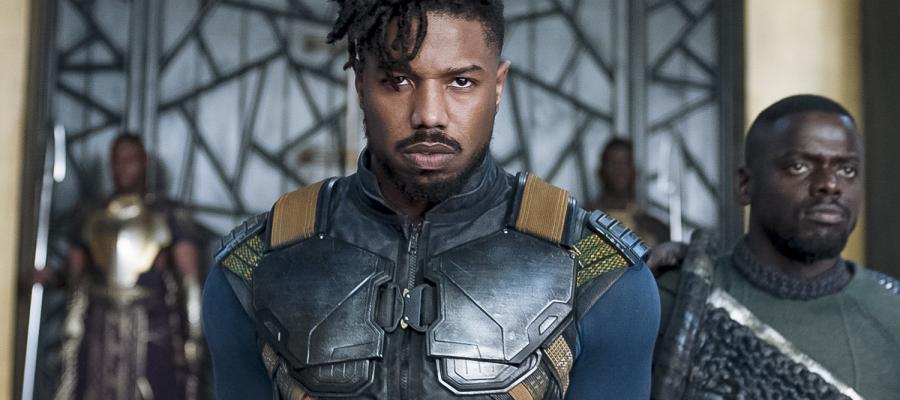
Black Panther: Is the True Villain Still at Large?
Beyond the spectacle, Marvel’s record-shattering Black Panther challenges who we call the enemy.
While Erik Killmonger fulfills the classic villain archetype—his defeat seemingly restoring order—the film’s lingering power lies in an uncomfortable truth: his rage was born from systemic abandonment. He wasn’t born evil; he was forged by the isolation of a nation that hid its resources while the world suffered. The real conflict wasn’t just good versus evil; it was two philosophies clashing—T’Challa’s tradition versus Killmonger’s desperate demand for justice.
In our own lives, we often rush to label “monsters” to avoid looking at the conditions that create them. Black Panther suggests that the true villain isn’t always the one throwing the punch, but the silence that allowed the pain to fester. By the film’s end, T’Challa realizes that protecting Wakanda’s secrets was a moral failure. He chooses to open the borders, acknowledging that isolationism is the real enemy of progress.
The movie leaves us with a profound psychological challenge: Are we “Wakanda”—comfortable in our own success, ignoring the struggles just outside our borders? Or are we brave enough to dismantle the invisible walls that keep us separated? The victory isn’t in the physical battle won, but in the change of heart that followed. The credits roll, but the responsibility to bridge our divides remains firmly in our hands.




No Comments