

Is Liberalism Truly Our Unmitigated Good?
We chase freedom as the ultimate virtue, but is this relentless pursuit actually eroding the social fabric it promises to save?
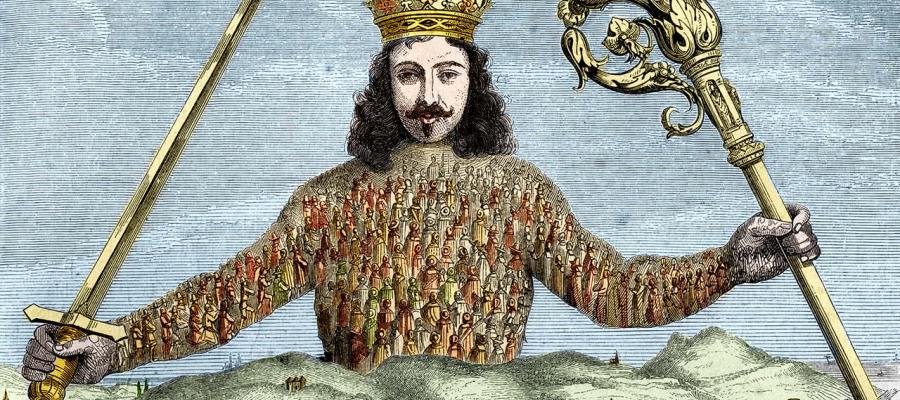
Shadi Hamid forces a confrontation with a question many in the West fear to ask: Is liberalism truly the neutral, benign force we assume it to be? The prevailing narrative suggests that liberty is a linear path to progress—that more individual autonomy inevitably leads to a better society. However, Hamid argues that liberalism is not merely a procedural toolkit; it is a substantive ideology with its own dogmas, one that often demands the dismantling of the very traditions and “illiberal” communities that give human life meaning and stability.
The friction arises when the liberal imperative to question everything encounters the human need to belong. While freedom allows us to choose our paths, it simultaneously burdens us with the paralysis of infinite choice and the isolation of radical individualism. When we strip away the non-negotiable values of religion, family, or community, we are left with a thin veneer of rights that may not be enough to sustain a cohesive society.
This challenges the comfortable assumption that we can have freedom without cost. Perhaps true tolerance requires acknowledging that not all worldviews are compatible, and that the “marketplace of ideas” may actually hollow out the very moral ecosystems it relies upon.
We must stop viewing liberalism as the inevitable endpoint of history and start asking hard questions about what we are losing in our pursuit of absolute autonomy. The cost of freedom is paid in the currency of meaning; it is time we decided if the price is worth it.




No Comments