

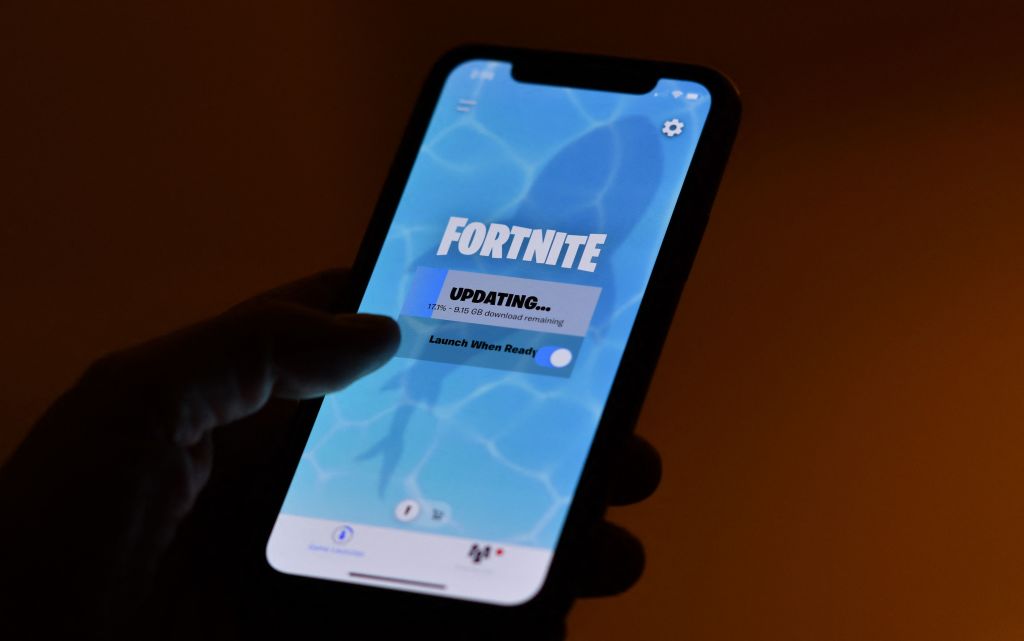
Fortnite Returns to Google Play: Epic Games Wins Key Legal Victories
After a five-year legal war, the battle royale giant is back on Android in the U.S., marking a pivotal shift in the app store economy.
In a landmark resolution to one of the most high-profile antitrust cases in tech history, Epic Games has successfully returned Fortnite to the Google Play Store in the United States. The reinstatement follows a December 2025 court order mandating Google to comply with new terms, a direct result of the jury’s verdict last year finding Google operated an illegal monopoly in app distribution and billing.
For Android users, this means Fortnite is once again easily accessible without resorting to sideloading. For developers, however, it represents a seismic victory. The court’s injunction forces Google to allow apps to direct users to alternative payment systems and caps the commissions Google can charge on out-of-store transactions. Epic Games CEO Tim Sweeney hailed the agreement as a “comprehensive solution” that reinforces Android’s status as a more open platform compared to its rivals.
The Context: A Calculated Defiance
The roots of this conflict trace back to 2020, when Epic Games intentionally deployed a payment update to Fortnite that bypassed the standard 30% commission fees levied by Google (and Apple). By offering direct discounts to players who paid Epic directly, the developer triggered the removal of Fortnite from major app stores. While this created a temporary inconvenience for players, it was a strategic chess move designed to dismantle the “walled garden” economics of app marketplaces.
Diverging Paths: Google vs. Apple
While Epic’s victory over Google is decisive, the legal outcome involving Apple paints a more complicated picture.
In its case against Apple, the courts did not find the iPhone maker to be a monopolist. However, an initial ruling did mandate that Apple must allow developers to link to external payment options. Apple attempted to circumvent this by charging a 27% commission on external purchases and strictly limiting how developers could present these links—actions that an appeals court recently described as “overbroad.”
The latest developments suggest a split reality for the mobile ecosystem. On Android, the gates are officially opening. Developers will benefit from capped fees and greater freedom to communicate with their users. On iOS, while external links are technically permitted, the strict anti-steering rules and Apple’s refusal to give up its revenue cut mean the friction remains high.
The Future of the App Economy
The return of Fortnite to Google Play is more than just a headline; it is a bellwether for the mobile app economy. It validates the argument that dominant platforms can abuse their market power to stifle competition. By forcing Google to open its payment ecosystem, the court has set a precedent that could reshape how billions of dollars in digital transactions are handled.
For developers, the message is clear: the era of automatic, uncapped platform fees is eroding. While the battle on iOS continues to evolve, the Android landscape has fundamentally changed. The “openness” of the platform is no longer just a marketing slogan—it is now legally enforceable, offering developers more control over their economic destiny and giving consumers potentially lower prices. As Google works to finalize these court-approved changes, the industry watches closely, knowing that mobile gaming will never be quite the same.






No Comments