

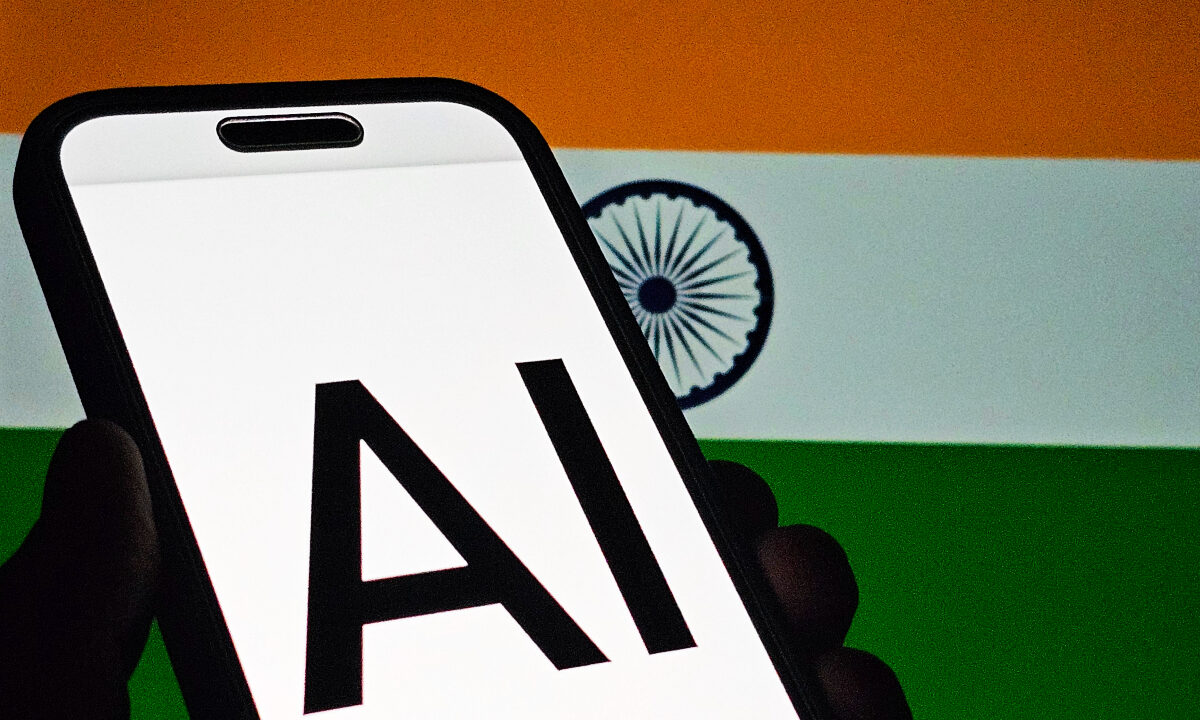
India’s AI Royalty Plan: A Global First for Copyright?
India just proposed a radical shift that could force AI giants to pay for training data.
India has unveiled a groundbreaking proposal that could fundamentally alter the regulatory landscape for Artificial Intelligence globally. The plan introduces a mandatory royalty system requiring AI companies, such as OpenAI and Google, to pay for using copyrighted content to train their models. Released by the Department for Promotion of Industry and Internal Trade (DPIIT), the framework establishes a “blanket license” mechanism. This would grant AI developers access to India’s vast library of creative works—in exchange for payments to a centralized collecting body. That body would then distribute royalties to writers, artists, and other rights holders.
This move positions India as a potential global trendsetter in AI regulation, diverging sharply from the stalled legislative efforts in the U.S. and Europe.
The Core Mechanism: A “Single Window” Solution
The proposal aims to solve a massive legal headache: the “fair use” debate. In Western markets, courts are currently wrestling with whether training AI on copyrighted data constitutes infringement. This has led to high-profile lawsuits and regulatory uncertainty. India’s solution bypasses this ambiguity entirely.
According to the 125-page submission from the government’s eight-member committee, this mandatory system is designed to be the “least burdensome” path forward. Instead of negotiating millions of individual licensing deals—which the committee argues is impossible at scale—AI companies would pay into a single fund. The committee believes this lowers compliance costs for tech giants while ensuring creators are compensated from day one.
The rationale is rooted in India’s explosive market growth. OpenAI CEO Sam Altman has noted that India is currently the company’s second-largest market and could soon eclipse the United States. The committee argues that because AI firms generate significant revenue from Indian users (and rely on Indian data to train their models), a portion of that value must flow back to the local creative ecosystem.
Industry Pushback: Innovation vs. Regulation
Despite the government’s intent to protect creators, the proposal faces significant resistance from the tech industry.
Nasscom, India’s premier trade body representing major firms like Google and Microsoft, has filed a formal dissent. They advocate for a “text-and-data-mining” (TDM) exception instead. Under this model, AI developers could train on any content they have legally accessed without paying royalties, provided rights holders do not explicitly opt out. Nasscom warns that a mandatory payment regime could stifle innovation and limit access to high-quality training data.
Similarly, the Business Software Alliance (BSA)—representing giants like Amazon and Adobe—warned that restricting models to only licensed material risks creating “biased” and low-quality AI outputs. They argue that true innovation requires access to broad, diverse datasets, which a pay-per-use model might restrict.
The Global Stakes
India’s push for a “hybrid model”—automatic access with mandatory payment—remains open for public consultation. If adopted, this framework would create a rigid infrastructure for AI training in one of the world’s largest digital markets. It serves as a stark counterpoint to the approaches in the U.S. and E.U., where open-ended debates and lawsuits continue to rage.
As stakeholders have 30 days to comment, the world is watching closely. India’s decision could either validate a new business model for the creative economy or prove to be a bureaucratic bottleneck for the next generation of AI. For now, the timeline is clear: a decision is imminent, and the value of data has never been higher.







No Comments