

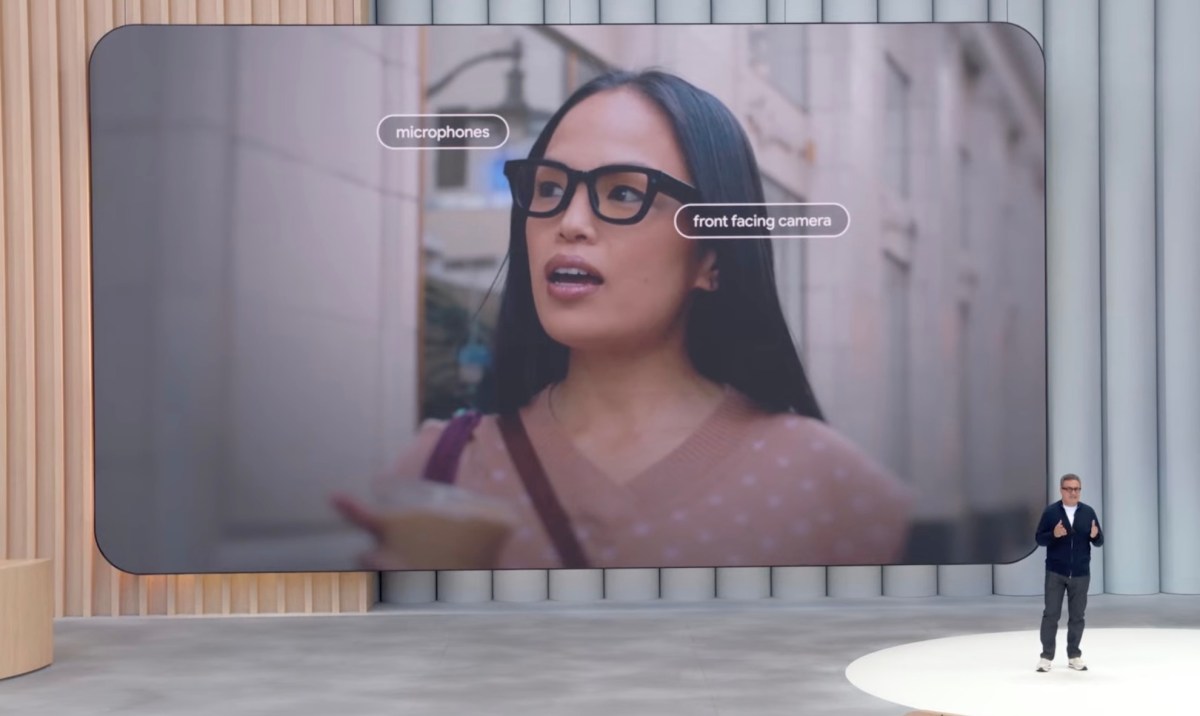
The world of smart wearables is on the cusp of a significant transformation, with Google poised to launch its first AI-powered glasses in 2026. This move is part of the company’s broader strategy to create consumer wearables based on Android XR, its operating system for extended reality experiences. The announcement, made at Google’s I/O event in May, highlighted partnerships with Gentle Monster and Warby Parker, two prominent players in the eyewear industry. These collaborations aim to bring sleek, user-friendly smart glasses to the market, addressing the limitations of bulky headsets that are often impractical for everyday use.
The appeal of smart glasses lies in their potential to provide a more discreet and intuitive way to interact with digital information. By integrating AI and XR technologies, these devices can offer a range of benefits, from enhanced convenience to improved accessibility. Google’s vision is to create hardware that “fits seamlessly into your life and matches your personal style,” giving users the freedom to choose the perfect balance of form and function. This approach is evident in the company’s development of various AI-powered glasses models, each designed to cater to specific needs and preferences.
One model, for instance, is designed for screen-free assistance, leveraging built-in speakers, microphones, and cameras to enable users to communicate with Google’s AI assistant, Gemini, and capture photos. Another model features an in-lens display, visible only to the wearer, which can provide turn-by-turn directions, closed captioning, and other essential information. This innovative display technology has the potential to revolutionize the way we interact with digital information, making it more accessible and convenient than ever before.
Google has also previewed its Project Aura, a wired XR glasses concept that occupies a middle ground between bulky headsets and sleek smart glasses. This device boasts an in-lens display and can function as an extended workplace or entertainment device, allowing users to access Google’s suite of products or stream video content on the go. This development demonstrates Google’s commitment to pushing the boundaries of what is possible with smart glasses, exploring new use cases and applications that can enhance our daily lives.
The smart glasses market is becoming increasingly competitive, with Meta having already established a strong presence through its partnership with Ray-Ban. However, Google’s entry into this space, along with Apple and Snap, is expected to shake things up in the coming year. Google’s partnership with Warby Parker, which has received a $75 million investment to support product development and commercialization, is particularly noteworthy. This collaboration has the potential to yield innovative, stylish, and user-friendly smart glasses that can appeal to a wide range of consumers.
As the smart glasses market continues to evolve, it will be interesting to see how these devices integrate AI and XR technologies to create seamless, intuitive experiences. With Google’s entry into this space, we can expect significant advancements in areas like augmented reality, virtual try-on, and personalized recommendations. The potential benefits of smart glasses extend beyond convenience and style, with applications in fields like education, healthcare, and accessibility. As we look to the future, it is clear that smart glasses will play an increasingly important role in shaping our relationship with technology and the world around us.






No Comments