

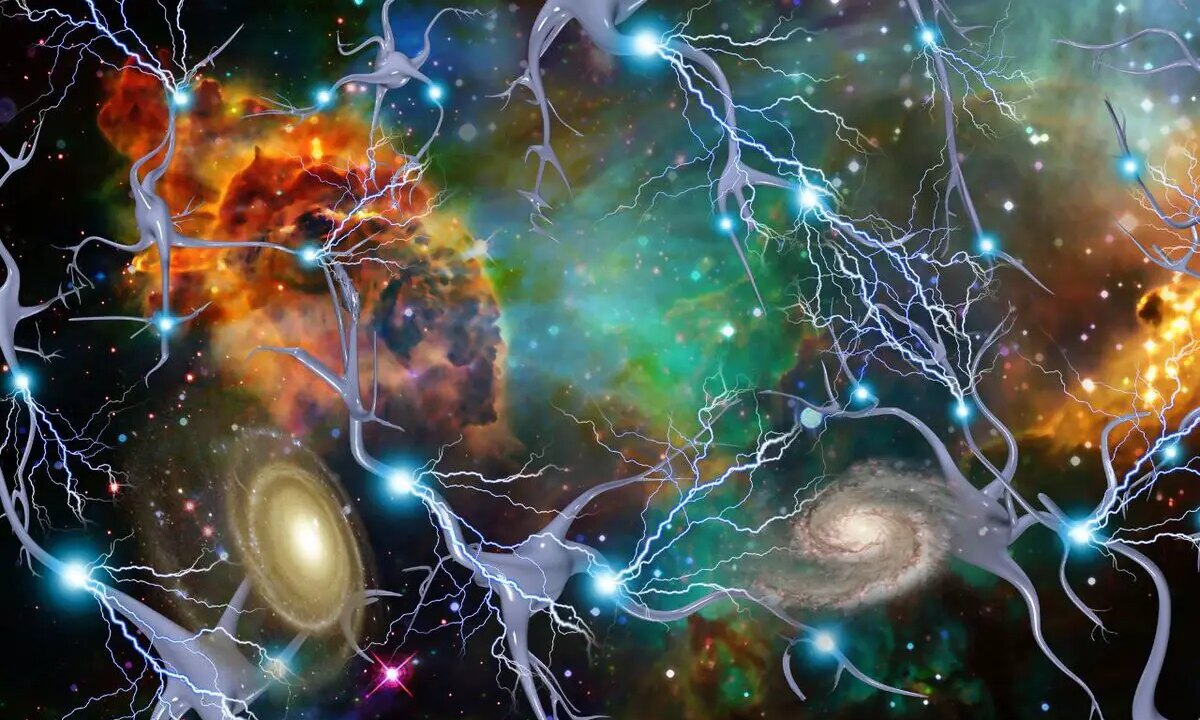
The mind-body problem is a profound and enduring philosophical conundrum that has puzzled thinkers for centuries. At its core, it concerns the relationship between the mind, often associated with consciousness and subjective experience, and the body, typically identified with the physical brain. Two major philosophical views have emerged to address this problem: monism and dualism. Monism posits that there is only one fundamental substance or reality underpinning both the mind and the body, while dualism claims that the mind and body are two distinct types of things.
Dualism, often associated with René Descartes, comes in two forms: substance dualism and property dualism. Substance dualism proposes that the mind and body are two different kinds of substances altogether, with the mind being non-physical and the body being physical. Property dualism, on the other hand, suggests that there is only one type of substance, typically physical, but it can have two types of properties: mental and physical. However, dualism faces significant challenges, particularly in explaining how the non-physical mind can causally interact with the physical body.
Monism, which has its roots in ancient Greek philosophy, also has various forms, including materialism, idealism, and neutral monism. Materialism, or physicalism, posits that everything, including mental phenomena, can be fully explained in terms of physical processes or properties. Idealism, in contrast, suggests that the ultimate nature of reality is mental or consciousness-based, and that the physical world is a manifestation or construction of the mind. Neutral monism proposes that the mental and physical are two aspects of, or reducible to, a more fundamental substance or reality that is itself neither specifically mental nor specifically physical.
Each of these philosophical positions has its strengths and weaknesses, and the debate between them raises deep questions about the nature of reality, consciousness, and how our subjective experiences relate to the objective world. While materialism offers a unified view of the world and is compatible with the natural sciences, it struggles to explain the subjective experience of qualia and the hard problem of consciousness. Idealism, on the other hand, provides a framework for understanding the richness and immediacy of subjective experiences, but it faces challenges in explaining the objectivity and consistency of the physical world.
Ultimately, the mind-body problem is a complex and multifaceted issue that may not admit an easy or universally accepted conclusion. As philosopher William James noted, the positions one espouses are often a matter of temperament, and what seems like a knockdown argument to some can seem utterly without force to others. The best approach may be to inform oneself about the various philosophical positions and try to come to a considered judgment for oneself. By exploring the strengths and weaknesses of monism and dualism, we can gain a deeper understanding of the mind-body problem and the nature of reality itself.
https%3A%2F%2Fdaily-philosophy.com%2Fjames-barham-monism-dualism-mind%2F






No Comments