

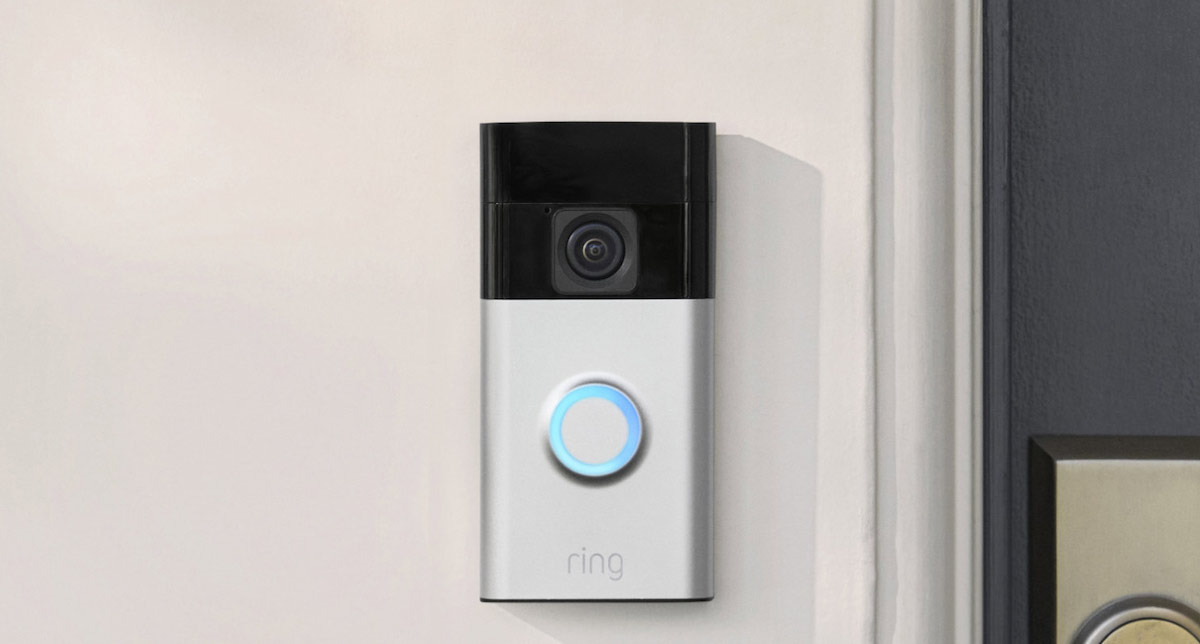
The world of smart home technology has taken a significant leap forward with the introduction of a new AI-powered facial-recognition feature in Amazon’s Ring doorbells. Dubbed “Familiar Faces,” this feature allows users to identify and catalog up to 50 faces, including family members, friends, neighbors, and delivery drivers. The idea behind this feature is to provide personalized notifications, such as “Mom at Front Door,” instead of generic alerts like “a person is at your door.” While this may seem like a convenient and useful feature, it has raised significant concerns about privacy and data security.
The feature works by creating a catalog of faces that users can label and recognize. Once a face is labeled, the Ring device will recognize it and provide a personalized notification. Users can also set alerts on a per-face basis, allowing them to disable notifications for certain individuals. The feature is not enabled by default, and users must opt-in to use it. Faces can be named in the app directly from the Event History section or from the new Familiar Faces library, and these labels can be edited or deleted at any time.
However, the introduction of this feature has sparked controversy, with consumer protection organizations and lawmakers expressing concerns about the potential misuse of facial recognition technology. The Electronic Frontier Foundation (EFF) has been vocal in its opposition to the feature, citing concerns about the collection and storage of biometric data. The organization has also pointed out that Amazon has a history of partnering with law enforcement and has been criticized for its handling of user data in the past.
One of the main concerns surrounding the Familiar Faces feature is the potential for law enforcement to access and use the collected data. Amazon has claimed that the face data is encrypted and never shared with others, but the company’s track record on data security is not reassuring. In 2023, Ring was fined $5.8 million by the U.S. Federal Trade Commission for allowing employees and contractors to access customer videos without restriction. The company has also faced criticism for its handling of user passwords and its exposure of users’ home addresses and precise locations.
The EFF has called on Amazon to abandon the Familiar Faces feature, citing concerns about the potential for mass surveillance and the erosion of privacy rights. The organization has also noted that privacy laws in certain states, such as Illinois, Texas, and Portland, Oregon, prevent Amazon from launching the feature in those areas. U.S. senator Ed Markey has also expressed concerns about the feature, calling on Amazon to abandon it and prioritize user privacy.
In response to these concerns, Amazon has claimed that the users’ biometric data will be processed in the cloud and that it does not use the data to train AI models. However, the company’s claims have been met with skepticism, and many experts believe that the feature has the potential to be used for mass surveillance and data collection.
As the use of facial recognition technology becomes more widespread, it is essential to consider the potential implications for privacy and data security. While the Familiar Faces feature may seem like a convenient and useful tool, it is crucial to weigh the benefits against the potential risks. As the EFF’s Staff Attorney, F. Mario Trujillo, noted, “Knocking on a door, or even just walking in front of it, shouldn’t require abandoning your privacy.” It is up to consumers to be aware of the potential risks and to demand that companies prioritize user privacy and data security.
In conclusion, the introduction of the Familiar Faces feature in Amazon’s Ring doorbells has raised significant concerns about privacy and data security. While the feature may seem like a convenient and useful tool, it has the potential to be used for mass surveillance and data collection. As consumers, it is essential to be aware of the potential risks and to demand that companies prioritize user privacy and data security. By doing so, we can ensure that the benefits of smart home technology are realized while protecting our fundamental right to privacy.







No Comments