

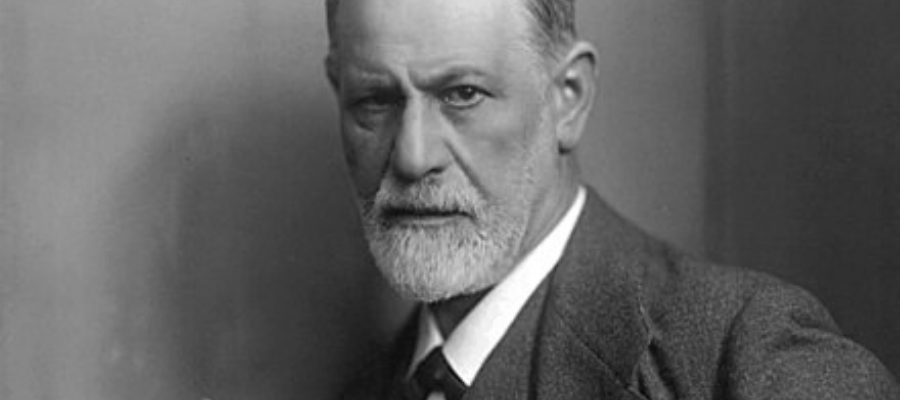
Sigmund Freud, a name often relegated to the realm of psychology, is more than just a figure of the past. His work, though sometimes viewed as outdated, holds profound philosophic insights that continue to resonate with our understanding of human nature today. It’s time to reevaluate Freud not just as a psychologist, but as a philosopher whose contributions offer a nuanced understanding of our inner selves and societal dynamics.
At the heart of Freud’s philosophy lies a complex exploration of human consciousness, delving into the unconscious mind and its influence on our behaviors, desires, and relationships. His theories on the structure of personality, comprising the id, ego, and superego, provide a foundational understanding of human psychological development. Moreover, Freud’s concept of the unconscious mind as a reservoir of thoughts, memories, and desires that are not readily accessible to conscious awareness challenges us to consider the depths of our own motivations and actions.
Freud’s philosophical contributions also extend to his views on civilization and its discontents, where he critically examines the tension between individual desire and societal norms. This dialectic between personal freedom and the constraints of culture remains a pivotal issue in contemporary discourse, highlighting the ongoing relevance of Freud’s philosophical thought. His work encourages us to ponder the human condition, questioning why we act, think, and feel in certain ways, and how these elements are shaped by both our internal struggles and external environments.
Despite criticisms and controversies surrounding his work, Freud’s legacy as a philosopher persists. His ideas have influenced fields beyond psychology, including literature, sociology, and philosophy itself, demonstrating the broad impact of his thought. By revisiting Freud’s philosophical contributions, we gain a deeper understanding of ourselves and our place within society. His work serves as a reminder of the complexity and multidimensionality of human experience, urging us to embrace our own depths and the intricacies of human interaction. In doing so, we may find that Freud’s philosophic teachings, rather than being passé, offer timeless wisdom that continues to illuminate our journey towards self-discovery and understanding.







No Comments