

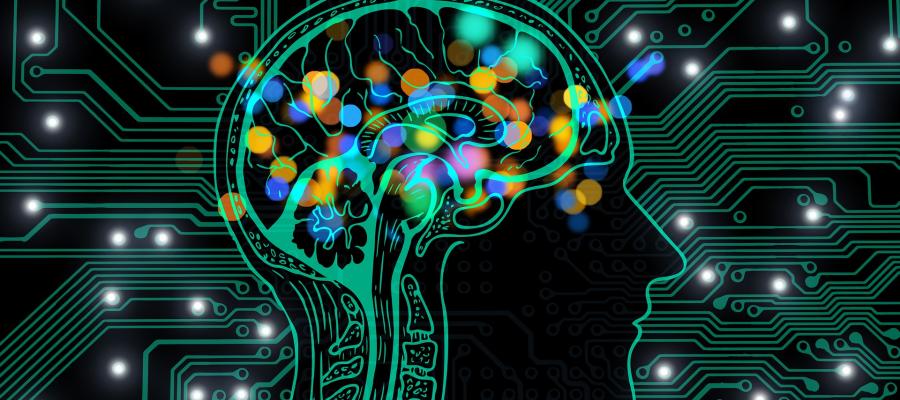
The human experience is rooted in the five traditional senses: sight, sound, touch, taste, and smell. But what if we’re only scratching the surface of our perceptual potential? The idea of hacking the brain to create new senses is a tantalizing prospect that raises fundamental questions about the nature of reality and our place within it. As we explore the possibility of expanding our sensory repertoire, we’re forced to confront the limits of our current understanding and the potential benefits and drawbacks of transcending them.
One of the key insights into the potential for new senses lies in the brain’s remarkable plasticity. Neuroplasticity, the ability of the brain to reorganize and adapt throughout life, suggests that our sensory experiences are not fixed at birth. This concept has already led to the development of brain-machine interfaces and sensory substitution technologies, which enable people to perceive their environment in novel ways. For instance, devices that convert sound waves into tactile sensations or visual data into auditory signals have opened up new avenues for people with sensory impairments. These innovations demonstrate that, in principle, it’s possible to bypass traditional sensory pathways and create new channels for perception.
However, the question remains: would we want more senses than we already have? On one hand, additional senses could grant us unparalleled insights into the world, revolutionizing fields like science, art, and even spirituality. Imagine being able to perceive electromagnetic fields, temperature gradients, or other environmental factors that currently lie beyond our direct awareness. On the other hand, an expanded sensory landscape could also lead to information overload, sensory confusion, or even a diminished appreciation for the beauty and simplicity of our existing experiences.
As we ponder the possibilities and pitfalls of hacking the brain to create new senses, we’re ultimately led to a deeper reflection on the human condition. Our senses shape our understanding of reality, influencing how we interact with the world and each other. By exploring the frontiers of perception, we may uncover new aspects of ourselves and the universe, but we must also consider the potential consequences of altering the delicate balance of our sensory ecosystem. In the end, the pursuit of new senses is not just a technological challenge, but a philosophical and existential inquiry into the very nature of human experience.






No Comments