

Bold Moves and the Rise of Cluely: How Controversy Fueled an AI Startup’s Success
In the fast-paced world of tech startups, standing out isn’t just about innovation—it’s about grabbing attention. Few understand this better than Roy Lee, the co-founder and CEO of Cluely, an AI meeting assistant that’s making waves with its real-time insights and shareable reports. Lee’s unconventional approach to marketing, which thrives on controversy and viral moments, has propelled Cluely into the spotlight, even as hundreds of similar products flood the market. This isn’t just a story about a startup’s success; it’s a masterclass in how to cut through the noise in a world drowning in information.
At the heart of Cluely’s rise is a simple yet audacious principle: attention is the ultimate currency. Lee’s journey into the limelight began during his time as a Columbia University student, when he created an AI-powered tool to cheat on Big Tech interviews—a bold move he openly documented on social media. The viral backlash and intrigue that followed were just the beginning. Instead of shying away from controversy, Lee leaned into it, using it as the foundation of his brand. Cluely’s early tagline, “the cheat on everything startup,” was a deliberate provocation, designed to stir debate and generate buzz. It worked.
Cluely’s marketing strategy is unapologetically divisive. Lee’s team churns out social media content that’s less about subtlety and more about sparking strong reactions. This approach has become a hallmark of the brand, turning Cluely into one of the most talked-about names in the AI space. While some critics accuse Lee of chasing clicks and cheap attention, the numbers tell a different story. Cluely routinely achieves the kind of visibility that larger, more established companies can only dream of—and it does so on a fraction of their budget.
The results are hard to ignore. Earlier this year, Cluely secured $15 million in Series A funding from Andreessen Horowitz, a vote of confidence from one of Silicon Valley’s most influential venture capital firms. The startup has used that funding to double down on its bold identity, investing in flashy launch videos, a team of content creator interns, and a sprawling office in San Francisco. Love him or hate him, Roy Lee is undeniably at the center of the AI bubble—and he’s riding it for all it’s worth.
So, how does Cluely’s unorthodox strategy translate into real business growth? For starters, it’s about understanding the psychology of viral content. In an era where consumers are constantly bombarded with information, it’s no longer enough to simply offer a great product. You need to tell a story that people can’t ignore—and sometimes, that means taking a stand that not everyone will agree with. Cluely’s willingness to court controversy creates a sense of urgency and curiosity around its brand, turning casual observers into engaged followers.
But there’s more to Cluely’s success than just provocative marketing. The startup has also tapped into a broader cultural shift in how consumers interact with technology. In a world where AI is increasingly integrated into daily life, Cluely’s offering of real-time insights and shareable reports feels both practical and forward-thinking. It’s a product that doesn’t just solve a problem—it changes the way people think about communication and productivity.
As Cluely continues to grow, the question on everyone’s mind is whether this model is sustainable. Can a brand built on viral moments and controversy maintain its momentum once the initial buzz fades? Lee is quick to argue that the key to lasting success lies in understanding the difference between fleeting attention and genuine engagement. While some critics dismiss Cluely’s approach as a gimmick, Lee sees it as a more authentic way to connect with customers in a world where traditional marketing feels increasingly stale.
For aspiring entrepreneurs and marketers, Cluely’s story offers a valuable lesson: in a crowded market, playing it safe often means getting lost in the shuffle. Sometimes, the boldest moves—whether it’s embracing controversy or challenging industry norms—are the ones that pay off. Of course, this isn’t a strategy for the faint of heart. It requires a willingness to take risks, face criticism, and stay true to your vision, even when the stakes are high.
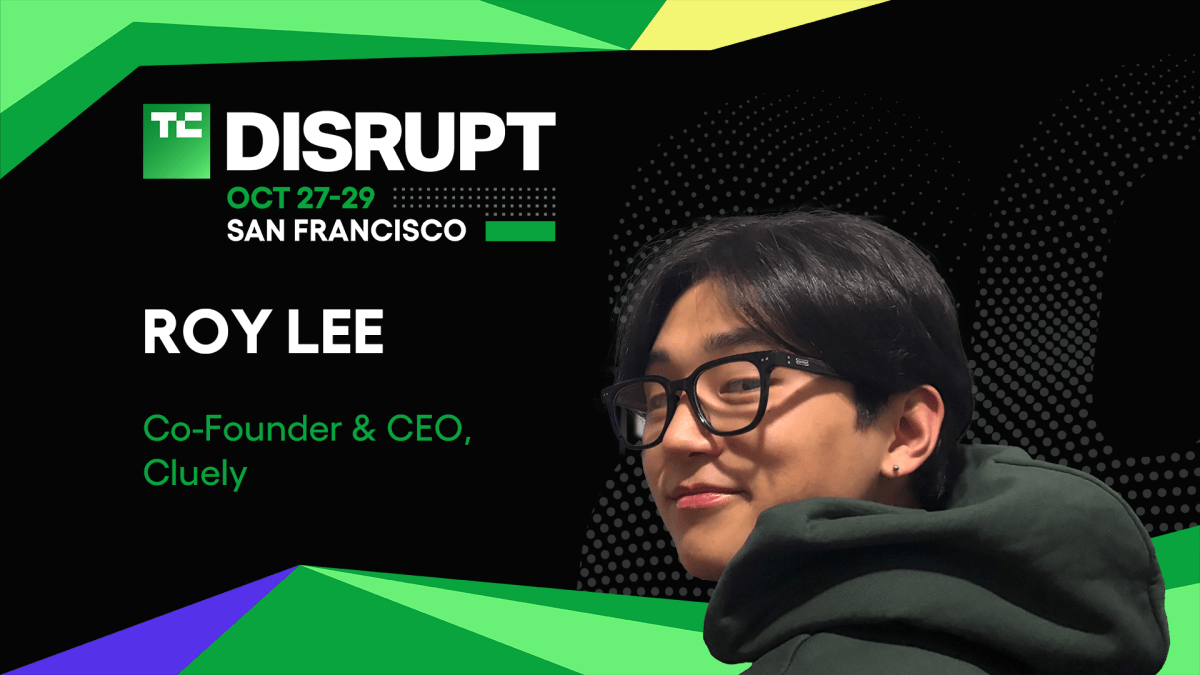
This October, Roy Lee will bring his signature blend of candor and unpredictability to the Disrupt Stage at TechCrunch Disrupt 2025 in San Francisco. In a session that promises to be as revealing as it is provocative, Lee will share his thoughts on virality as a marketing strategy, the AI bubble, and how Cluely is building a lasting business on top of its social media fame. It’s a conversation that could change the way you think about growth, innovation, and the future of consumer tech—and it’s one you won’t want to miss.
In the end, Roy Lee’s story is a reminder that success in the tech world isn’t just about building a better product—it’s about telling a better story. For Cluely, that story is still being written, but one thing is clear: it’s going to be a wild ride.







No Comments