

The Power of Influence: Reflecting on Nietzsche and Hitler
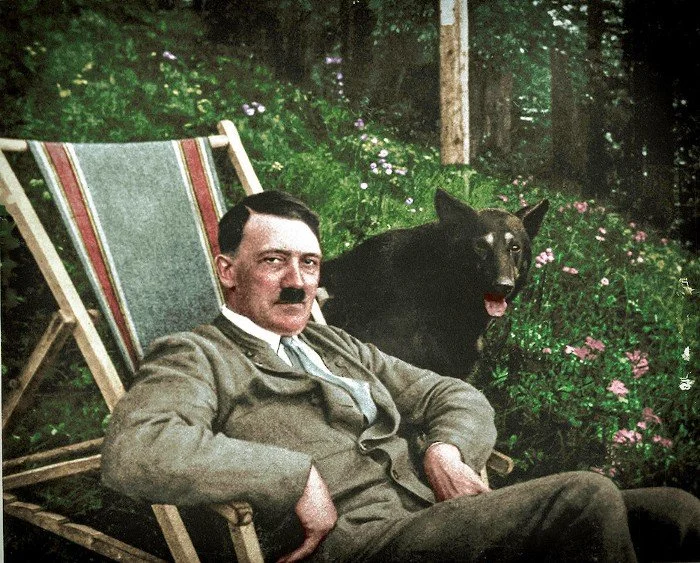
In the realm of history and philosophy, few images are as striking—or as fraught with tension—as the 1934 photograph of Adolf Hitler gazing upon a bust of Friedrich Nietzsche in the Nietzsche Archives. This singular moment captures a complex interplay of influence, ideology, and the enduring power of ideas. It invites us to reflect on how the thoughts of one thinker can shape, or be shaped by, the actions of another, often in ways the original thinker could scarcely have imagined.
Nietzsche, the 19th-century German philosopher, is renowned for his provocative ideas about the “will to power,” the “death of God,” and the “Übermensch” (or “Overman”). His philosophy, often misunderstood or oversimplified, explored themes of individual greatness, the rejection of traditional morality, and the embrace of life’s inherent chaos. Nietzsche’s work was never meant to be a blueprint for political ideology, but rather a call to interrogate societal norms and embrace self-overcoming.
Hitler, on the other hand, represents one of history’s darkest chapters—a leader whose IDEOLOGY of racial superiority, nationalism, and totalitarianism led to unimaginable suffering. The connection between these two figures is fraught with controversy, as Nietzsche’s ideas were co-opted—and misrepresented—by the Nazi regime to justify its atrocities. Yet, it is crucial to note that Nietzsche himself was critical of antisemitism and nationalism, and his philosophy cannot be reduced to the horrors that unfolded under Hitler’s rule.
The photograph of Hitler gazing at Nietzsche’s bust serves as a stark reminder of the dual nature of influence. Ideas, like seeds, can take root in unexpected soil, and their growth often depends on the hands that tend to them. Nietzsche’s philosophy, intended to challenge and inspire individuals to live authentically, was warped into a justification for oppression and destruction. This duality underscores the importance of critical engagement with ideas and the dangers of their misuse.
As we reflect on this moment in history, we are reminded of the profound responsibility that comes with intellectual and artistic expression. Ideas have the power to uplift or to destroy, depending on how they are interpreted and applied. The story of Nietzsche and Hitler is not just a cautionary tale about the mischaracterization of philosophy, but also an invitation to think deeply about the ethical implications of our own influence in the world.
In the end, the image of Hitler and the bust of Nietzsche challenges us to consider the enduring relevance of philosophy in shaping our understanding of humanity. It urges us to approach ideas with care, to question their origins, and to remain mindful of their potential consequences. In doing so, we honor the thinkers who came before us while ensuring that their legacies are not diminished by the shadows of history.
https%3A%2F%2Fwww.philosophyforlife.org%2Fblog%2Fnazi-spiritual-eugenics-ii-hitler-and-the-will-of-nature





No Comments