

Ransomware Attack Disrupts Airports Across Europe: A Wake-Up Call for Cybersecurity
In a troubling escalation of cyber threats, a recent ransomware attack has caused significant disruptions to airport operations across Europe. The incident, confirmed by the EU’s cybersecurity agency, underscores the growing vulnerability of critical infrastructure to cyberattacks. As airports struggle to restore normal services, the attack serves as a stark reminder of the devastating potential of ransomware and the urgent need for enhanced cybersecurity measures.
The Scale of the Disruption
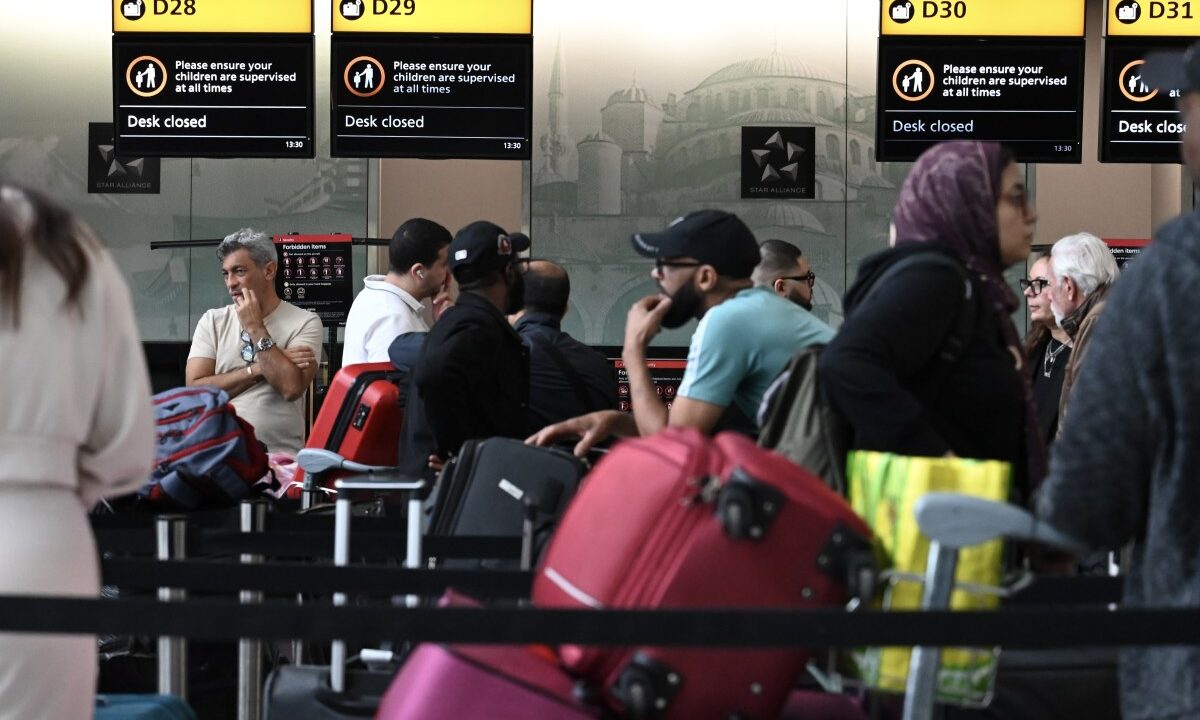
The ransomware attack, which targeted key systems within multiple European airports, has led to flight delays, cancellations, and chaos for travelers. Airports rely heavily on interconnected digital systems to manage operations, from check-in and baggage handling to air traffic control. When these systems are compromised, the ripple effects are immediate and far-reaching. Passengers have faced long queues, lost luggage, and uncertainty about their journeys, highlighting the critical role of digital infrastructure in modern transportation.
A Growing Threat to Transportation Systems
This attack is the latest in a series of cyber incidents targeting transportation networks. Ransomware has become a preferred tool for cybercriminals due to its ability to quickly disrupt operations and extort large sums of money. Unlike traditional cyberattacks that focus on data theft, ransomware directly impacts physical operations, making it particularly dangerous for industries like aviation, where safety and efficiency are paramount.
The attackers likely exploited vulnerabilities in the airports’ IT systems, gaining access through phishing emails, unpatched software, or weak passwords. Once inside, they encrypted critical data and demanded a ransom in exchange for the decryption key. The success of such attacks points to the need for robust cybersecurity practices, including regular system updates, employee training, and comprehensive backup solutions.
Lessons Learned: Strengthening Cyber defenses
The airport disruptions serve as a wake-up call for organizations across all sectors. Cyberattacks are no longer a distant threat but a present and persistent danger. To mitigate these risks, businesses must prioritize cybersecurity as a core component of their operations. This includes investing in advanced threat detection tools, implementing zero-trust security models, and conducting regular drills to prepare for potential breaches.
Collaboration between public and private entities is also crucial. Cybersecurity is not just an IT issue but a shared responsibility that requires cooperation at local, national, and international levels. By sharing intelligence and best practices, organizations can create a united front against cybercriminals and reduce the likelihood of future attacks.
The Broader Implications for Critical Infrastructure
The impact of this ransomware attack extends beyond the immediate disruption to air travel. It raises concerns about the security of other critical infrastructure, such as power grids, healthcare systems, and financial institutions. Cybercriminals are increasingly targeting these sectors, aware of the societal and economic turmoil that can result from a successful attack.
Governments and regulatory bodies must respond with stronger cybersecurity frameworks and stricter enforcement. This includes mandatory compliance standards for critical infrastructure providers and penalties for negligence. Additionally, international cooperation is essential to combat cybercriminals who operate across borders with impunity.
Moving Forward: Building Resilience in a Digital Age
While the recent ransomware attack on European airports is alarming, it also presents an opportunity for growth. Organizations can use this incident as a catalyst to reassess their cybersecurity strategies and invest in measures that build resilience. This includes adopting cutting-edge technologies, fostering a culture of cybersecurity awareness, and developing robust incident response plans.
For travelers and businesses alike, the attack is a reminder of the interconnected nature of modern life. As we rely more heavily on digital systems, the need for vigilance and preparedness becomes ever more critical. By learning from this incident, we can work toward a future where cyber threats are mitigated, and critical infrastructure is safeguarded against evolving dangers.
In conclusion, the ransomware attack on European airports is more than just a temporary inconvenience—it is a call to action. The time to strengthen cybersecurity defenses is now, not just for the aviation industry but for all sectors that underpin our daily lives. By taking proactive steps to protect against cyber threats, we can ensure that digital progress continues to empower rather than endanger society.







No Comments