

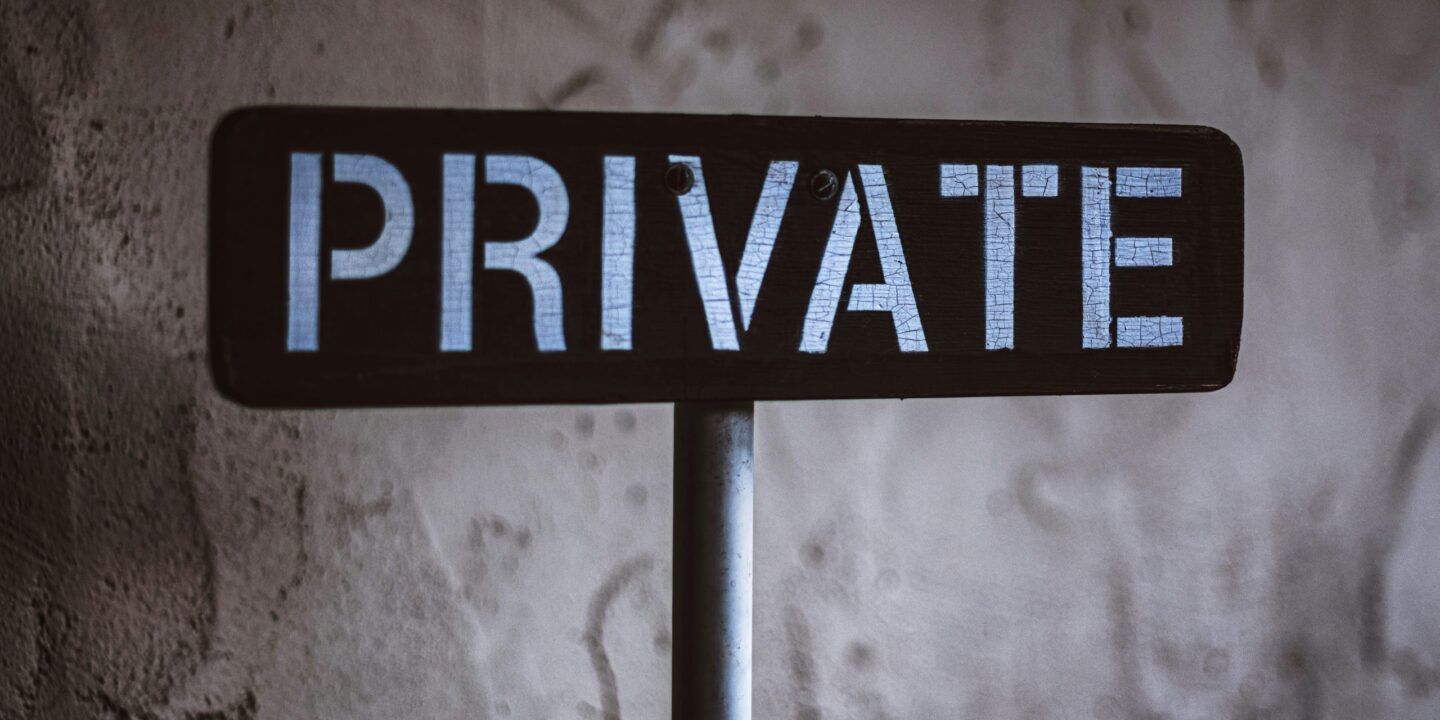
The Paradox of Privacy in the Digital Age: Rediscovering the Value of the Unseen
In an era where every click, swipe, and scroll is monitored, and where sharing intimate details of our lives online has become second nature, the concept of privacy seems to teeter on the edge of extinction. Yet, the question lingers: Is privacy truly dead, or is it simply evolving into a new form? The answer lies in understanding the delicate balance between the external forces that erode our privacy and our own willingness to preserve it.
The digital world is a double-edged sword. On one hand, corporations and algorithms silently harvest our data, turning our lives into a reservoir of insights to be monetized. Every online action—whether it’s a search query, a purchase, or a social media post—leaves a digital footprint, contributing to a vast mosaic of our identities. These data points are not just random snippets; they are carefully woven into predictive models that know us better than we know ourselves. The result is a loss of autonomy, as our choices, from what we buy to what we believe, are subtly influenced by the personalized bubbles created by these algorithms.
On the other hand, we willingly surrender our privacy by sharing every detail of our lives on social media. We document our meals, vacations, relationships, and even our innermost thoughts, often without a second thought. This phenomenon speaks to a deeper psychological need—the desire for validation, connection, and a sense of existence in a hyper-connected world. Yet, in this act of sharing, we risk losing the essence of who we are. The carefully curated highlight reels we present online often overshadow the raw, unfiltered moments that truly define us. We become performers in a digital theater, where authenticity is traded for likes, comments, and followers.
But here’s the paradox: Privacy is not dead; it’s just redefined. While we cannot fully escape the reach of data collection, we have the power to reclaim our private lives. This begins with mindfulness—understanding the value of the unshared moment, the joy of a thought left unposted, and the freedom of a decision made without external influence. Privacy, at its core, is not about secrecy; it’s about sovereignty over our own lives. It’s the ability to think, feel, and exist without the weight of scrutiny or manipulation.
The battle for privacy is not a call to disconnect from the digital world but to engage with it on our own terms. By using privacy tools, being mindful of what we share, and critically evaluating the platforms we use, we can carve out spaces where we are truly ourselves. In a world that continually demands more from us, reclaiming privacy is an act of resistance—and a reminder of the profound value of the unseen, the unshared, and the deeply personal.





No Comments